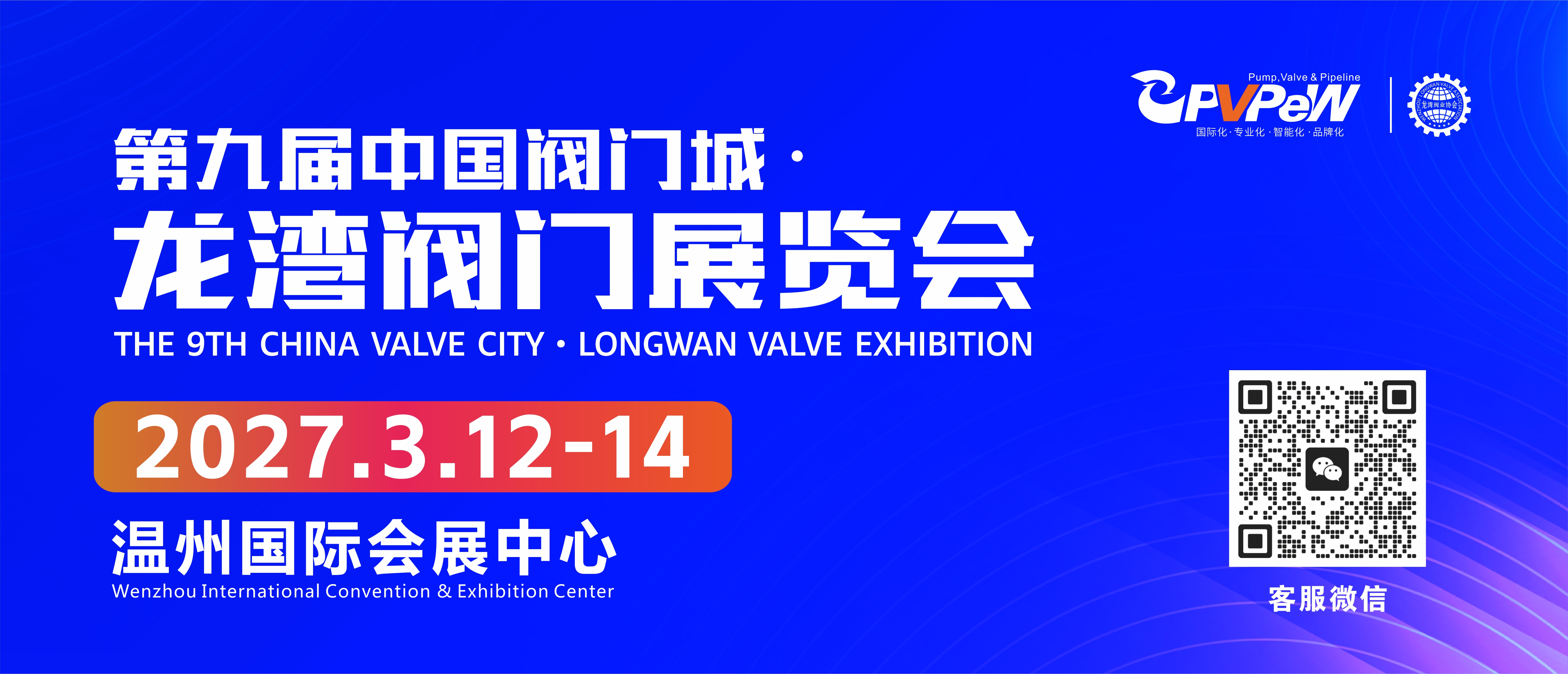
Global overall annual capacity of ball valves stands at approximately 580 million units, most of which are general‑purpose ambient‑temperature ball valves. LNG (-163℃) and hydrogen energy (high‑pressure 35‑70 MPa, liquid hydrogen at -253℃) do not simply drive incremental demand for ordinary ball valves; instead, they expand the high‑value‑added track for special‑purpose low‑temperature and hydrogen‑embrittlement‑resistant ball valves. At present, imports still account for over 60% of high‑end ball valves for LNG and hydrogen applications, opening a window for domestic substitution.
Wenzhou (Yongjia + Longwan) boasts China’s most complete valve industrial chain with more than 3,700 pump and valve enterprises. Casting, forging, machining, actuator manufacturing and foreign‑trade channels are all locally available. Nevertheless, local manufacturers have long focused on general‑purpose ball valves and medium‑low‑pressure industrial valves, while high‑end special ball valves are still only achieving partial breakthroughs.
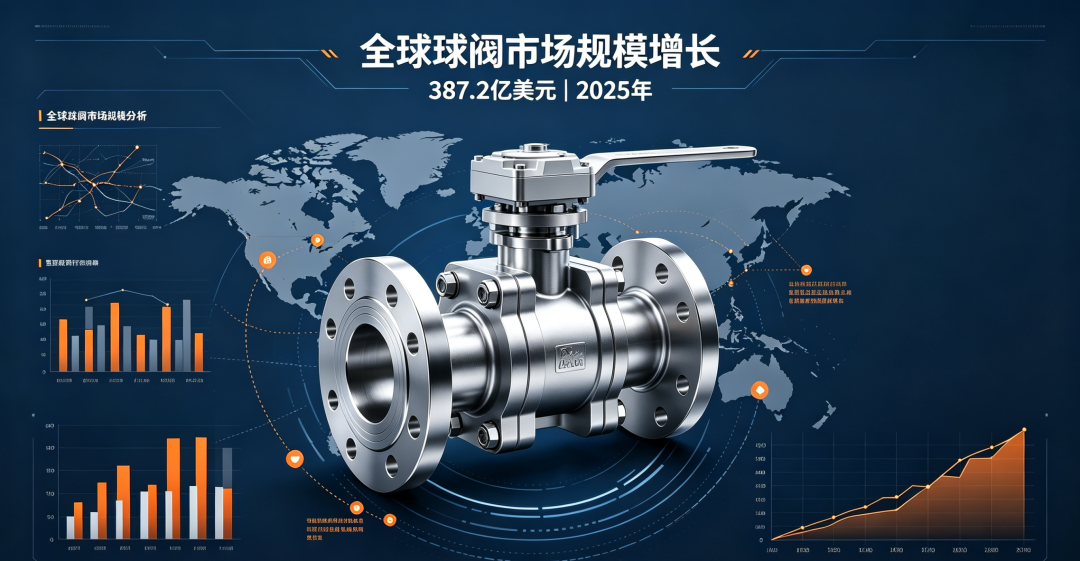
I. Inherent Advantages of Wenzhou’s Valve Cluster for LNG & Hydrogen Ball Valves
Full‑chain supporting facilities with prominent cost and delivery advantages
Local closed‑loop coverage for valve body castings, forgings, ball processing, sealing components, actuator assemblies, complete‑set assembly and foreign‑trade export. Compared with manufacturers from other regions, Wenzhou enterprises deliver faster prototype iteration for new products and quicker responses to small‑batch customized modifications, well‑suited for non‑standard customization requirements of LNG skid‑mounted units, hydrogen refueling stations and medium‑and‑small‑scale LNG gasification stations.
Current Status: Wenzhou boasts strong global competitiveness in conventional ball valves. Nevertheless, weaknesses remain in ultra‑low‑temperature materials, cryogenic heat treatment, hydrogen embrittlement protection and authoritative third‑party testing. Most small‑and‑medium manufacturers lack testing capacity for ‑196℃ cryogenic conditions.
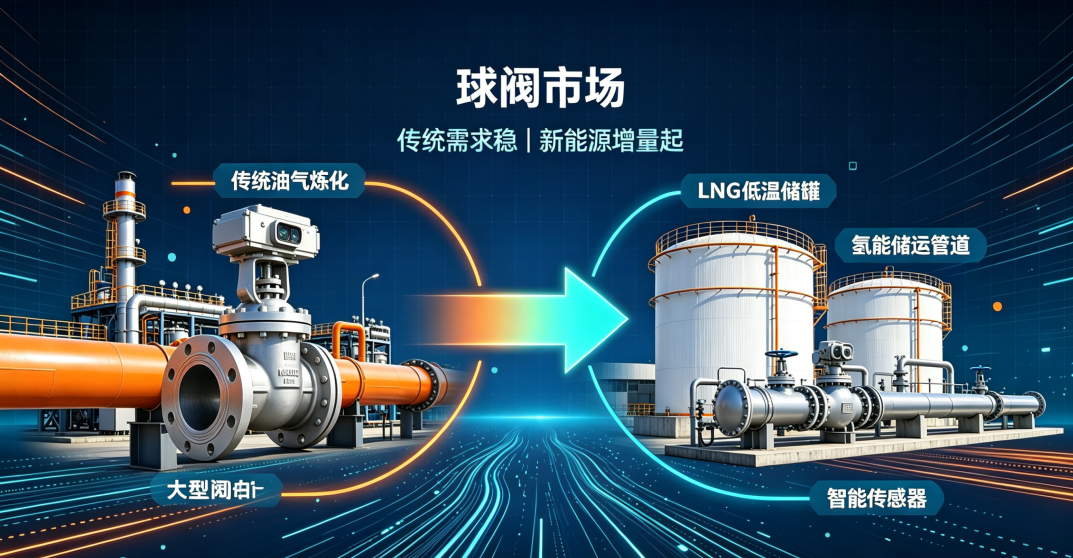
Leading Enterprises Achieve Partial Breakthroughs in LNG Cryogenic Valves, Generating Demonstration Effects
Specialized, refined, distinctive and innovative enterprises such as Teji and Bethel have completed R&D of LNG cryogenic ball valves / butterfly valves and realized batch delivery under -196℃ working conditions. Some enterprises have moved to prototype trial‑production of liquid‑hydrogen ball valves, establishing complete process routes covering material selection, cryogenic stress relief, sealing structure design and complete‑unit testing, which provides technical references for numerous small‑and‑medium supporting manufacturers.
Advantaged Foreign‑Trade Channels to Capture Dividends from Global Energy Transition
Wenzhou has a solid foundation in valve exports. LNG projects and overseas hydrogen refueling infrastructure across the Middle East, Russia, Southeast Asia and Central Asia generate substantial demand for cost‑effective special‑purpose ball valves. International brands suffer from high prices and long lead times, leaving Wenzhou enterprises well‑positioned for global expansion with “domestic‑grade performance, localized services and competitive cost‑performance�.
Support from Industrial Policies and Public Platforms
Local authorities promote shared heat‑treatment facilities and shared testing centers, as well as industry‑university‑research cooperation with Wenzhou University Institute of New Materials and Zhejiang University Wenzhou Research Institute. These initiatives offset shortcomings in cryogenic testing and material analysis, advance industrial upgrading, guide enterprises to shift toward special‑purpose valves, and lower R&D barriers for small‑and‑medium enterprises.
II. Three Practical Opportunity Tracks (Not All Firms Target Main Liquid‑Hydrogen Valves)
Opportunity 1: Ball Valves for LNG Industrial Chain (Short‑term Implementation, Highest Certainty)
LNG application scenarios: receiving terminals, LNG tank trucks, LNG gasification skids, LNG carriers and distributed gas supply systems.
Products: cryogenic fixed‑ball ball valves, top‑entry cryogenic ball valves and extended‑neck cryogenic ball valves. Rated for -196℃, Class‑VI zero‑leakage, fire‑safe design complying with API 607 and BS 6364 standards.
Hierarchical opportunities for Wenzhou manufacturers:
①Leading core enterprises: Target large‑bore cryogenic ball valves for receiving terminals and obtain qualification certifications from central SOEs and energy groups.
② Mass small‑and‑medium manufacturers: Focus on skid‑mounted equipment, tank trucks, medium‑and‑small‑scale gasification stations and overseas small‑to‑medium LNG projects. This represents a huge‑volume market with high quotations from foreign brands and ample room for domestic substitution; there is no immediate need to develop extra‑large‑bore main valves for receiving terminals.
③ Supporting segments: Supply upstream components including cryogenic valve‑body castings, ball hard‑facing overlay, cryogenic sealing parts and cryogenic actuators. Avoid direct end‑product manufacturing for lower entry barriers.
Reality check: Main valves for domestic LNG receiving terminals are still predominantly imported. Nevertheless, domestic procurement is widely adopted for skid‑mounted, vehicle‑mounted and medium‑and‑small‑scale projects.
Opportunity 2: Hydrogen Energy Track — Tiered Market Entry, Avoid Blind Competition for Main Liquid‑Hydrogen Valves
Hydrogen energy covers two major technical routes: high‑pressure gaseous hydrogen (35‑70 MPa for hydrogen refueling stations) and liquid hydrogen (-253℃), with vastly different technical difficulties.
1. High‑pressure gaseous‑hydrogen ball valves (Priority entry, fastest commercialization)
Widely applied in hydrogen refueling stations, hydrogen production & purification and hydrogen storage. Core pain points lie in hydrogen‑embrittlement resistance and micro‑leakage control. Ultra‑low‑temperature capability is not required. Wenzhou’s existing ball‑valve manufacturing base enables rapid retrofitting and upgrading. Key tasks include special‑material selection, hydrogen‑embrittlement‑resistant processes and low‑leakage testing. This segment is recommended as the priority layout for most Wenzhou ball‑valve manufacturers.
2. Liquid‑hydrogen ball valves (-253℃, extremely high threshold, for leading “Specialized, Refined, Distinctive & Innovative� enterprises only)
Liquid hydrogen imposes stringent requirements on material hydrogen embrittlement, cryogenic deformation, sealing and vacuum jacket. Domestic industry is still at the prototype and small‑batch trial stage. Small‑and‑medium enterprises are not advised to invest heavily in main liquid‑hydrogen valves directly. Instead, they can develop supporting components and undertake outsourced processing to grow alongside market leaders.
Opportunity 3: Global Conventional Ball Valves plus New‑Energy Supporting — Stock‑market Upgrading for Global Export
Most of the global 580‑million‑unit ball‑valve output serves general working conditions. Overseas green‑hydrogen, distributed‑LNG, coal‑chemical and air‑separation projects generate substantial demand for modified ball valves. Leveraging its strengths in mass production, customization and foreign trade, Wenzhou can upgrade existing ball valves for specialized operating conditions (hydrogen‑sulfide resistance, hydrogen‑embrittlement resistance, low‑temperature modification) to serve overseas new‑energy projects, rather than fully focusing on high‑end main valves.
III. Core Bottlenecks of Wenzhou Valve Cluster (Barriers Behind Opportunities)
Material and Process Shortfalls: Ultra‑low‑temperature castings are insufficient in impact toughness. Certain special hydrogen‑embrittlement‑resistant alloys and high‑end sealing materials rely partly on external supply. The adoption rate of cryogenic heat treatment and stress‑relief processes remains low. Many enterprises only conduct ambient‑temperature testing and lack CNAS‑accredited cryogenic laboratories, making it impossible to obtain access certifications from energy end‑users.
High Certification Barriers: LNG and hydrogen‑energy valves require certifications including API, BS 6364, ISO 15848, hydrogen‑embrittlement resistance testing, as well as qualification approvals from major energy owners. These certifications involve long lead times and high costs, which are unaffordable for small‑and‑medium enterprises to complete independently.
Homogenized Cut‑throat Competition: Numerous manufacturers compete on low prices in conventional ball‑valve segments. There is a severe talent shortage for high‑end special‑purpose valves; engineers familiar with cryogenic and hydrogen‑energy operating conditions are scarce.
Weak Brand Recognition: For large domestic energy projects, Wenzhou‑made high‑end special valves enjoy lower brand recognition compared with leading manufacturers in Jiangsu and Shanghai.
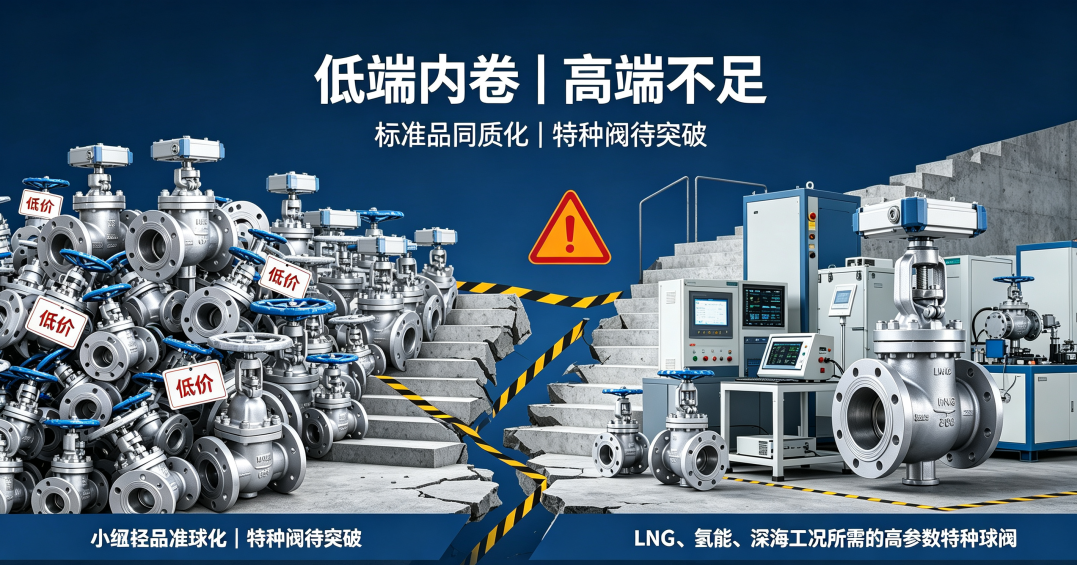
IV. How Wenzhou Valve Cluster Captures Dividends: Three Feasible Paths
Path A: Leading Specialized, Refined, Distinctive & Innovative Enterprises (e.g. Teji, Bethel)
Focus: Large‑bore cryogenic ball valves for LNG and high‑pressure hydrogen ball valves; progressively develop liquid‑hydrogen prototypes. Build or co‑establish cryogenic testing laboratories and fully pursue end‑user qualification certifications. Engage domestic LNG infrastructure and hydrogen‑energy demonstration projects, while expanding overseas to energy projects in the Middle East and Russia, to build benchmark special‑purpose ball‑valve enterprises based in Wenzhou.
Path B: Mass Small‑and‑Medium‑Sized Ball‑Valve Manufacturers (Most Common Profile)
Avoid blind pursuit of main liquid‑hydrogen valves for receiving stations; adopt segmented supporting strategies.
Focus on: LNG skid‑mounted units, vehicle‑mounted LNG, and gaseous‑hydrogen ball valves for hydrogen refueling stations. Target niche application scenarios to evade head‑on competition with market leaders.
Collaborate: Leverage industrial‑cluster public platforms for shared heat treatment and shared cryogenic testing to share certification and testing costs.
Differentiation: Deliver non‑standard customization and fast small‑batch delivery, giving full play to Wenzhou’s supply‑chain advantages.
Prioritize foreign trade: Export upgraded new‑energy ball valves to global markets undergoing energy transition.
Path C: Industrial‑Chain Supporting Manufacturers (Castings, Forgings, Seals, Actuators)
Skip end‑user complete valve manufacturing. Concentrate on cryogenic valve‑body castings, ball hard‑facing overlay, special‑purpose seals and cryogenic actuators. Supply domestic (including out‑of‑region) LNG and hydrogen‑energy valve OEMs. This represents the most accessible way for Wenzhou’s industrial cluster to capture market dividends.
V. Summary: The Essence of Wenzhou’s Opportunities
The boom in LNG and hydrogen energy does not mean all enterprises are capable of manufacturing top‑tier main liquid‑hydrogen valves. The biggest opportunity for Wenzhou’s valve cluster lies not in simply replicating foreign high‑end products, but in leveraging its status as the world’s most comprehensive valve‑manufacturing cluster. A subset of leading enterprises will pursue domestic substitution for main valves; numerous manufacturers will target skid‑mounted, vehicle‑mounted, medium‑and‑small‑scale projects as well as overseas new‑energy markets; supporting manufacturers will focus on special‑purpose components. Through cluster‑wide collaboration, the industry can make up for shortcomings in cryogenic processes, testing and certification, and upgrade itself from a “global manufacturing base for general‑purpose ball valves� into a key domestic industrial cluster for LNG and hydrogen‑energy special‑purpose ball valves.
Risk Warning: The hydrogen‑energy industry is still in its developmental phase, and large‑scale commercialization of liquid hydrogen will take time. Enterprises are advised to prioritize commercially viable tracks including high‑pressure gaseous hydrogen and skid‑mounted LNG, make rational R&D investments, and avoid blind heavy‑asset bets on the immature main liquid‑hydrogen valve market.
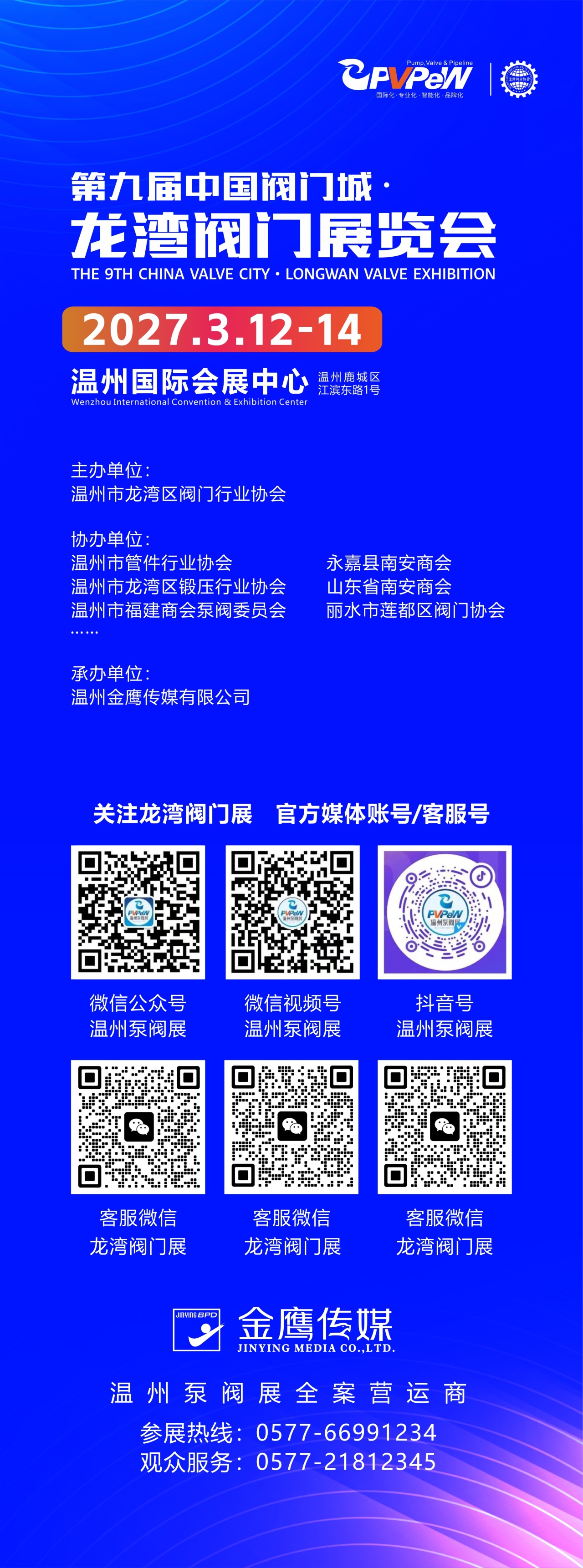
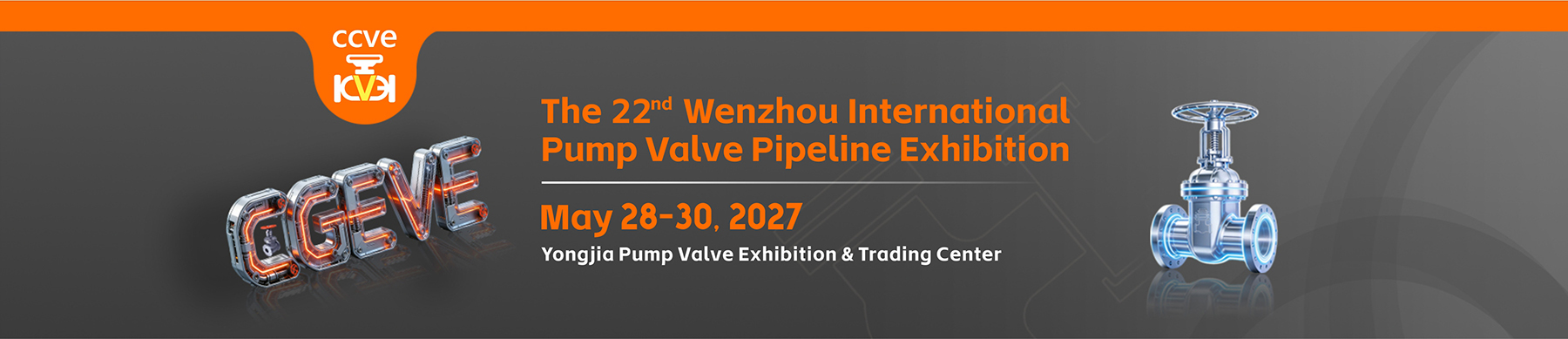
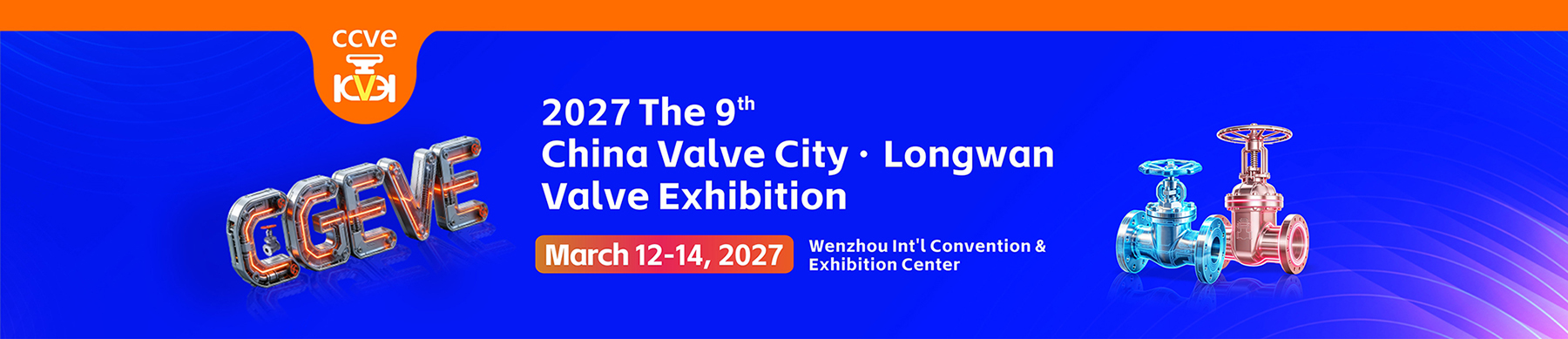
The 9th China Valve City · Longwan Valve Exhibition
2027 Wenzhou Valve Show — The 9th China Valve City · Longwan Valve Exhibition
Gathering cutting‑edge intelligent manufacturing across the whole industrial chain and connecting high‑quality buyers from home and abroad.
Explore domestic and international valve brands all under one roof for face‑to‑face technical cooperation talks and procurement matchmaking.
Date: March 12‑14, 2027
Venue: Wenzhou International Convention & Exhibition Center
For booth reservation and visitor registration, please leave your message for inquiry.
Disclaimer: This article is sourced from Wenzhou Yinshui. Part of the information and articles compiled by this platform are retrieved from the Internet for sharing and exchange purposes only, and do not constitute any decision‑making or action advice. We make no warranties as to the authenticity, accuracy or completeness of the content. Copyright of relevant content belongs to the original authors or sources. Should any copyright issue arise, please contact us promptly, and we will revise or delete the content accordingly.