

From Follow-up to Leadership: China's Valve Industry Enters Its Prime Era.
Spring 2026 proves to be an extraordinary season for China’s high-end equipment manufacturing industry. In just one month, the domestic high-end valve industry has achieved a series of encouraging landmark breakthroughs, covering nuclear power valves, critical thermal power components, the world’s largest hydropower relief valve and the world’s first self-powered steam valve.
These inconspicuous industrial components are breaking overseas monopolies at an unprecedented pace, opening a new chapter for China’s manufacturing sector.
Nuclear Valves: Two Core Bottleneck Technologies Broken Successively
Known as the safety guardians of nuclear power plants, nuclear valves are subject to extremely stringent technical specifications. China has secured two major achievements in nuclear valve development within the past month.
On March 18, China’s first main steam relief isolation valve for Hualong One was officially delivered by Dalian Dagao Valve Co., Ltd., to be installed at Unit 5 of the Lufeng Nuclear Power Plant. Serving as a critical safety barrier for the nuclear plant’s steam venting system, the valve undertakes core functions including residual heat removal, overpressure protection and isolation safeguard, directly underpinning the safe and stable operation of nuclear units. Such key valves had long relied on imports with core technologies monopolized by foreign manufacturers. Following nearly three years of joint R&D between Dalian Dagao and CGN Engineering Co., Ltd., the technical bottleneck has been overcome. All performance parameters of the finished product meet advanced international standards, with several key indicators outperforming overseas counterparts.
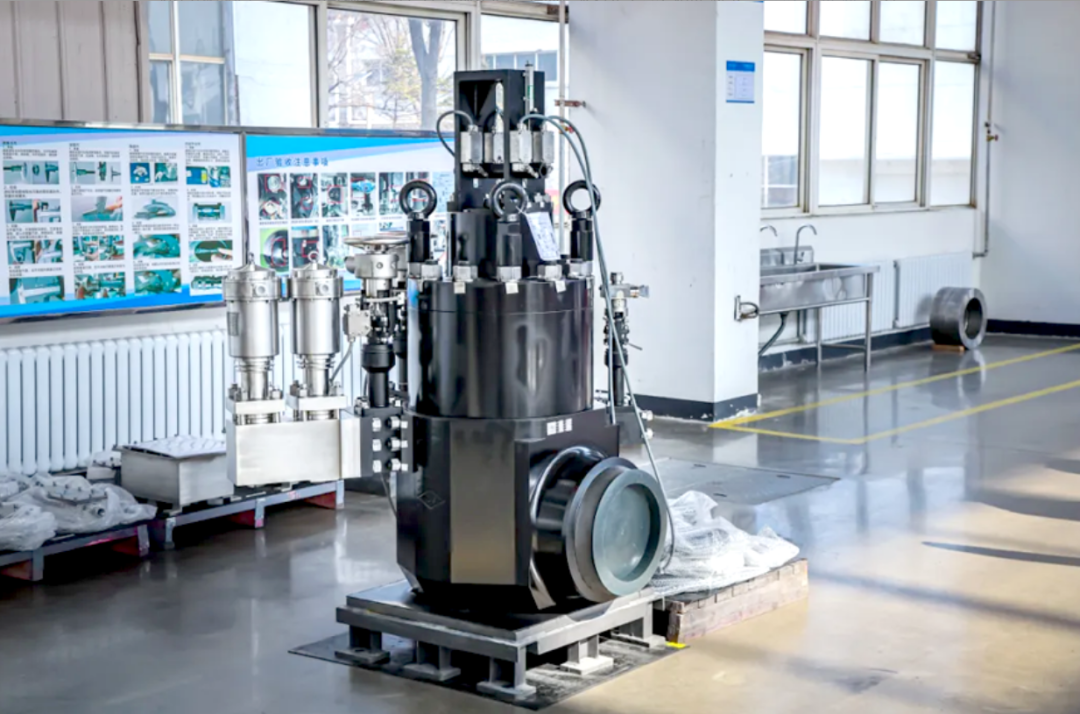
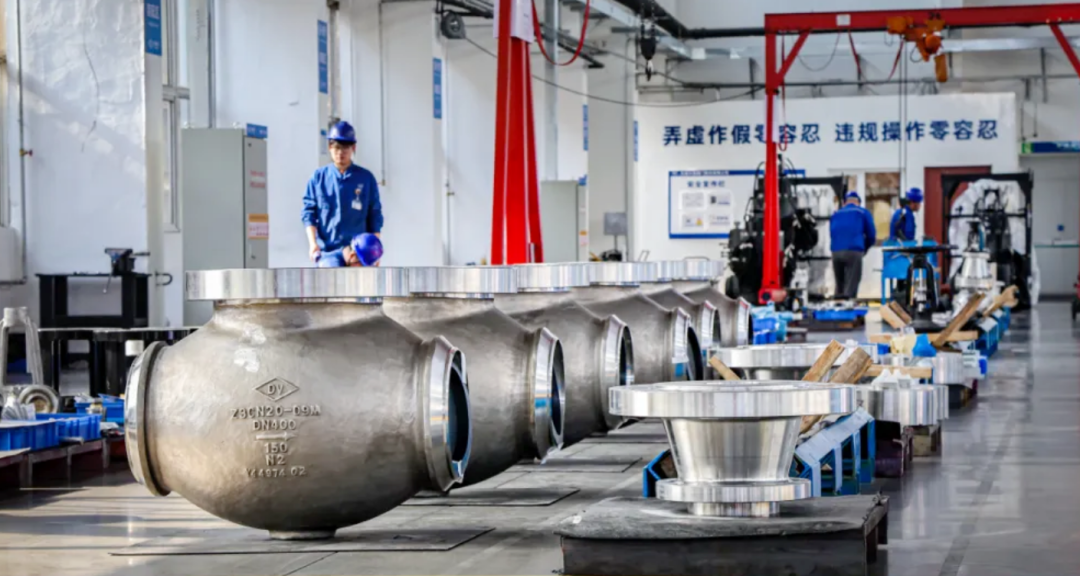
Shortly afterwards on April 9, the first-set Class 1 passive residual heat removal flow control valve for CAP1000 was delivered by Zhejiang Sanfang Control Valve Co., Ltd., marking China’s first domestic supply of critical control equipment for passive safety systems of Generation-III nuclear power units.
The valve is required to open rapidly within 2 to 5 seconds under accident conditions with a design temperature up to 360°C, imposing stringent requirements on material selection, sealing performance and actuator responsiveness. Its successful delivery signifies that this state-level high-tech enterprise based in Fuyang has fully mastered the design and manufacturing technologies for this high-end nuclear-grade valve.
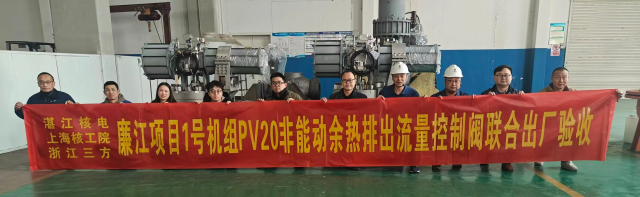
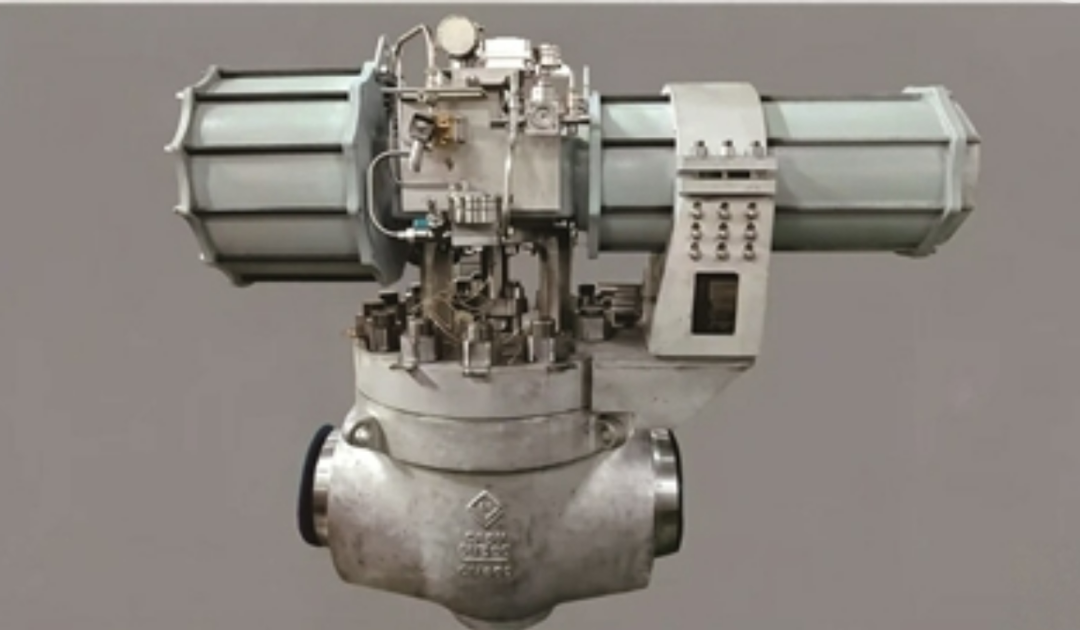
These two breakthroughs realize the localized manufacturing of core valves for China’s two mainstream Generation III nuclear technologies, namely Hualong One and CAP1000, marking the domestic substitution of nuclear valves has advanced from technical breakthrough to substantive commercial supply.
Thermal Power: 630℃ USC Bypass Valve Solves Global Technical Challenge
Good news also comes from the thermal power sector. The world’s first 630℃ double-reheat turbine bypass valve, developed by Harbin Electric Corporation for the Datang Yuncheng Project, has successfully passed expert appraisal and acceptance.
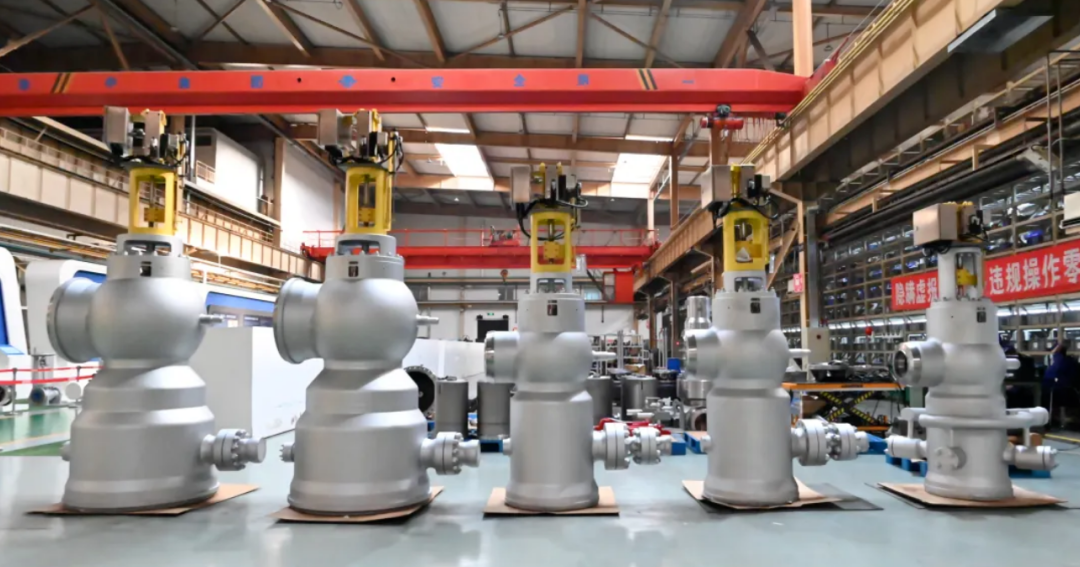
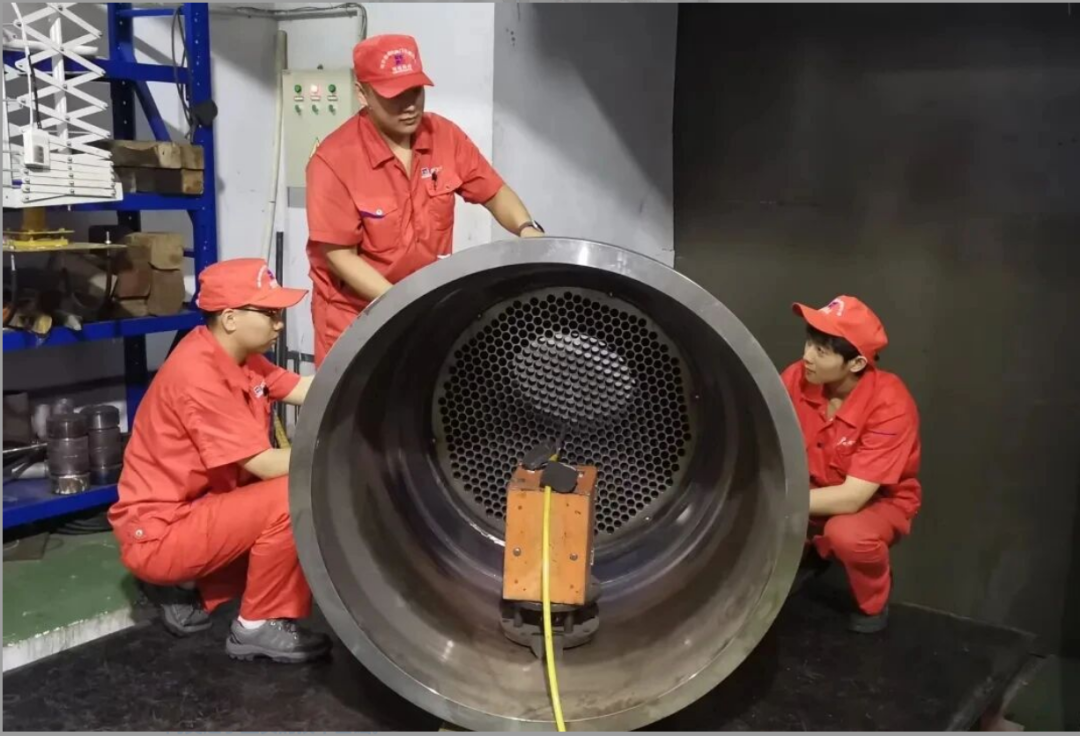
The Datang Yuncheng Project is China’s only approved 1,000MW coal-fired power demonstration project during the 13th Five-Year Plan period, featuring the world’s single-shaft 1,000MW thermal power unit with record-high pressure, maximum steam temperature, top power generation efficiency and minimum coal consumption. Its landmark technical indicators include a reheat steam temperature of 630°C, main steam pressure of 35.5MPa, net coal consumption of 256.28 g/kWh and a power generation thermal efficiency exceeding 50%.
Harbin Electric Valve has broken industrial barriers in welding and fabrication for new G115 steel, with all welding consumables fully sourced domestically at a 100% localization rate. This milestone marks China’s major progress in ultra-supercritical thermal bypass equipment and ends the long-term monopoly of imported products.
Hydropower: World’s Largest Relief Valve Sets New Record
Chinese manufacturing has set another world record in hydropower equipment. On April 1, Harbin Electric Machinery Co., Ltd. under Harbin Electric Corporation announced the successful assembly and testing of the world’s largest self-developed hydropower relief valve for the Tarbela V Hydropower Extension Project in Pakistan, with a nominal diameter of 3.5 meters, establishing a new global benchmark.
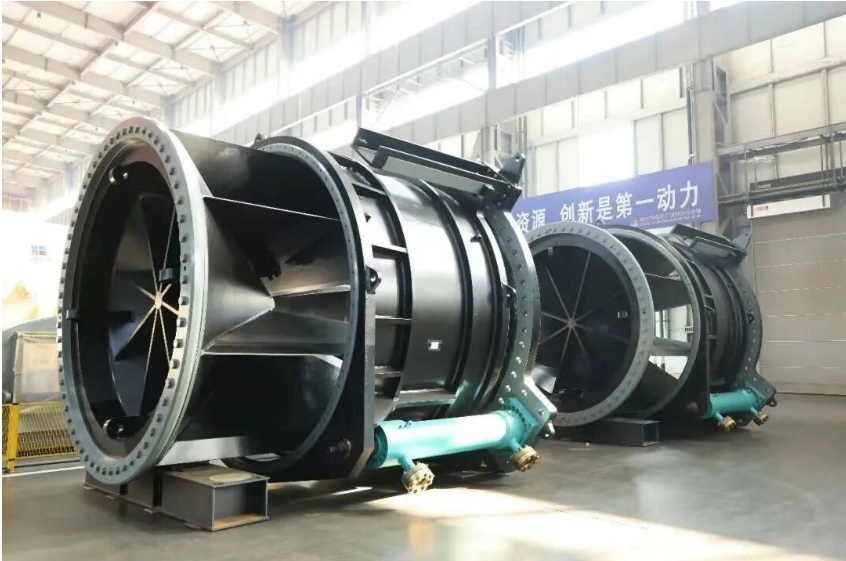
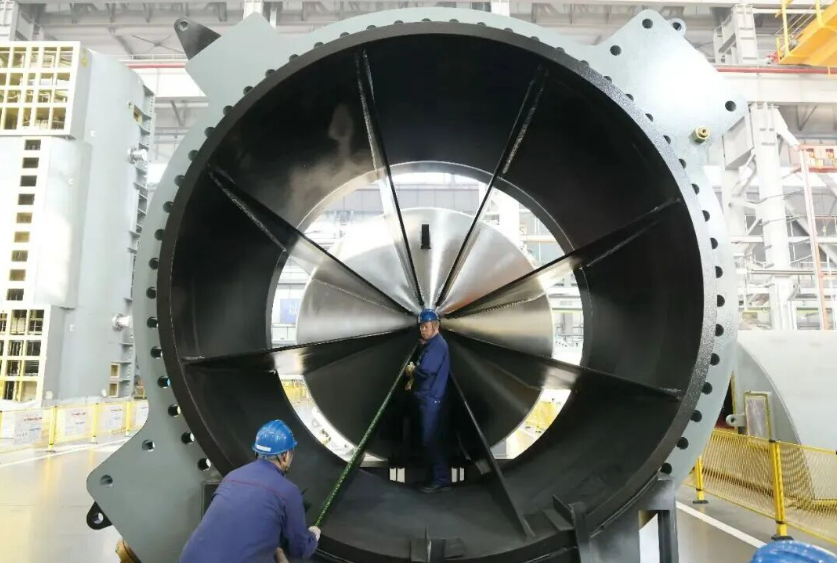
As Pakistan’s largest and most pivotal power source, Tarbela Hydropower Plant generates one-third of the country’s electricity and is hailed as Pakistan’s Three Gorges Project. Designed to fully open and release pressure within 8 seconds under emergency load rejection and other abnormal conditions, the relief valve precisely stabilizes pipeline pressure within safe limits and serves as a critical safeguard for stable plant operation.
Harbin Electric Machinery has pioneered multiple technologies in machining oversized thin-walled components and smooth long-stroke movement, delivering China’s proprietary solutions for safe operation of large hydropower stations worldwide.
Disruptive Breakthrough: World’s First Passive HP-HT Steam Valve
While the above advances are upgrades along mature technical paths, Tianjin Aomei Automation’s achievement represents a genuine power revolution.
On March 18, the world’s first high-temperature high-pressure passive steam valve was developed and delivered by Tianjin Aomei. Eliminating conventional manual, gear, electric and pneumatic actuators, it drastically speeds up valve cycling via an innovative stem design. Key merits include no external power needed, zero friction, zero leakage, superb resistance to high heat and pressure, plus extended service life.
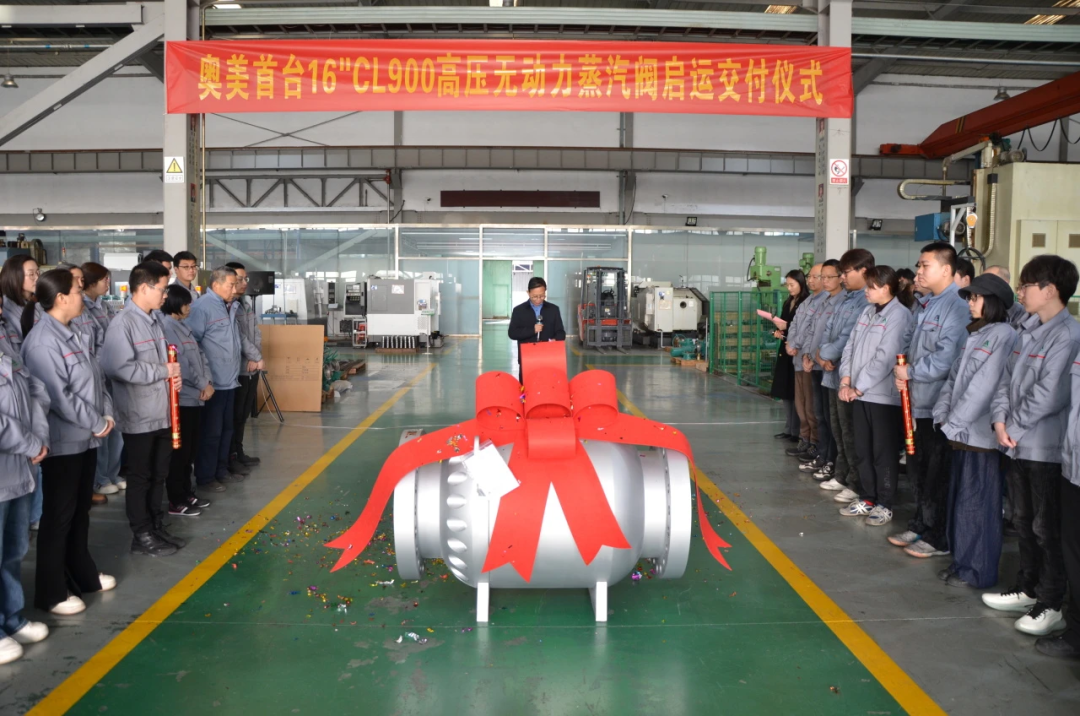
Industry experts hail it as a power revolution in the global valve sector, marking China’s shift from follower to pacesetter in high-end valve development. Expected to be widely deployed across ultra-supercritical thermal power, nuclear power, petrochemical and coal chemical industries, the product will resolve long-standing core technological bottlenecks.
Smart Upgrade: AI Powers Water Supply Networks
Beyond hardware breakthroughs, the valve industry also boasts remarkable intelligent upgrades.
Zhuzhou Nanfang Valve has developed Guanfa Qianwen, an AI agent for pump-pipeline-valve systems. It systematically tackles longstanding waterworks pain points including water hammer early warning, pinpoint pipeline leak detection and delayed regulation under varied operating conditions.
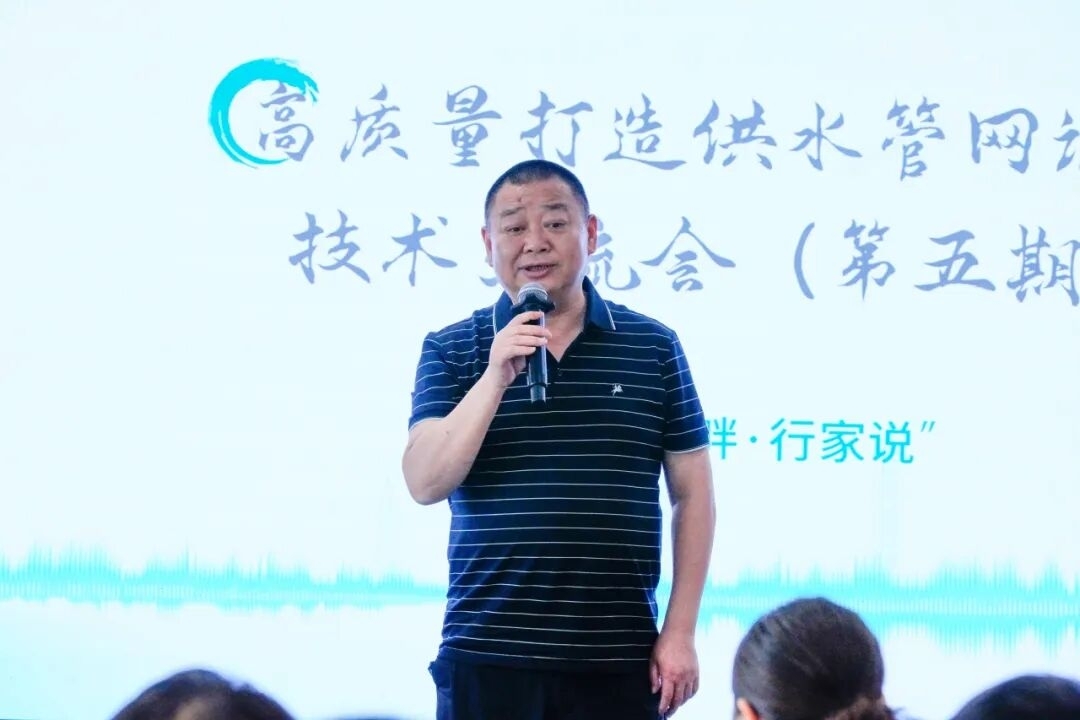
Deployed in the Changsha Water Diversion Project, the AI agent cuts scheduling decision time from days to merely five minutes with a hydraulic model accuracy of 96.1%, trimming annual operation and maintenance costs by 3.8 million yuan. The shift heralds a new era of intelligent decision-making replacing empirical manual management for China’s water supply network operation.
Market Outlook: Market to Hit 326.1 Bln Yuan by 2031
Behind these technological breakthroughs lies massive growth potential for China’s high-end valve market. According to research from Jinrongjie Securities, China’s valve market is projected to reach 326.1 billion yuan by 2031. Downstream oil & gas pipelines, nuclear power and new-generation thermal power serve as three major drivers fueling demand for premium valves.
By 2024, China’s total long-distance oil and gas pipeline mileage hit 195,000 kilometers. Starting from 2022, China has approved 10 or more nuclear power units annually for four consecutive years. In 2025, China stipulated that newly built and expanded coal-fired power units shall adopt (ultra-)supercritical technologies in principle. All these factors underpin robust market prospects for high-end valves.
Global Valve Insight: From Key Gear to Hidden Champions
Spanning from Dalian to Fuyang, Tianjin to Harbin, covering nuclear valves, thermal bypass equipment, the world’s largest hydropower relief valve and the globally pioneering passive steam valve, China’s valve sector is evolving from follower to peer and then industry leader across multiple niches.
These inconspicuous industrial connectors are vital for safeguarding national energy security and realizing independent supply of high-end equipment. Accelerated domestic substitution enables domestic valve makers to grow from obscure specialists into hidden champions, shifting from supporting roles to core players in landmark national equipment projects.
It is reasonable to expect high-end valves of intelligent Chinese manufacturing to serve domestic demand and march onto global markets, securing a solid footprint worldwide.
Disclaimer: From Global Valve Network for study only; remove upon copyright notice.