

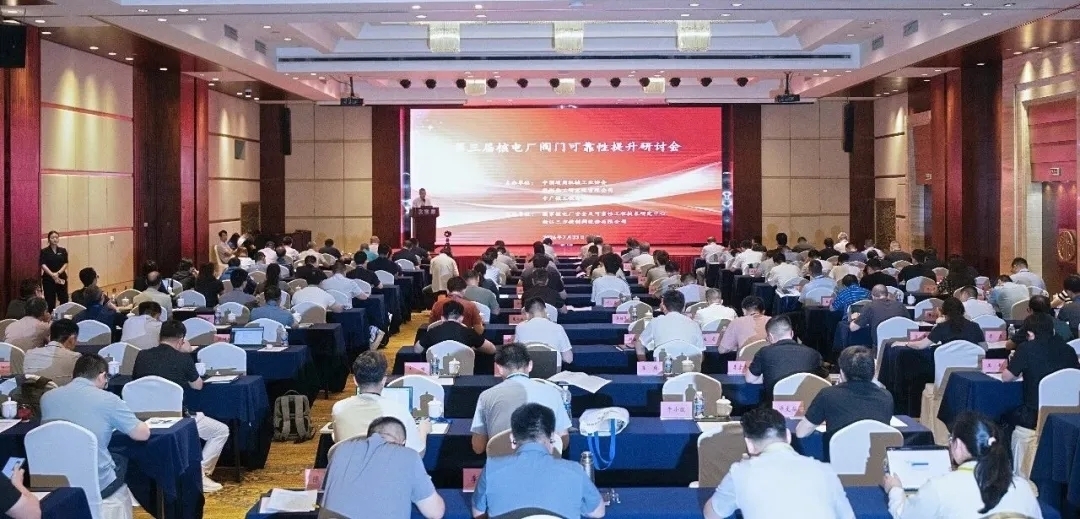
The 3rd Symposium on Reliability Improvement of Nuclear Power Plant Valves was successfully held in Fuyang, Zhejiang on July 23–24. Co-sponsored by China General Machinery Industry Association (CGMIA), CGN Suzhou Nuclear Power Research Institute Co., Ltd. (CGN Suzhou Nuclear Power Research Institute) and CGN Engineering Co., Ltd., the event was undertaken by the National Engineering Research Center for Nuclear Power Plant Safety and Reliability and Zhejiang Sanfang Control Valve Co., Ltd. (Zhejiang Sanfang).
Attendees included Huang Li, President of CGMIA; Sui Yongbin, Chief Supervisor of CGMIA; Zhang Zonglie, Vice President of CGMIA; Huang Bingchen, Director of the Import Equipment Registration and Safety Inspection Office, Ecology and Nuclear Radiation Safety Center; Liang Zhanxiang, Deputy General Manager of CGN Suzhou Nuclear Power Research Institute; Wu Yukun, Deputy Chief Engineer of CGN Suzhou Nuclear Power Research Institute; Zhou Du, Chief Valve Expert of CGN; Jiang Xiaohong, Deputy Chief Engineer of the Equipment Procurement and Complete Set Center, CGN Engineering Co., Ltd.; and Fang Yongliang, Chairman of Zhejiang Sanfang.
More than 140 industry representatives from over 60 organizations, including nuclear valve manufacturers, research institutes and universities, gathered at the venue to discuss pathways for the high-quality development of nuclear power valves.
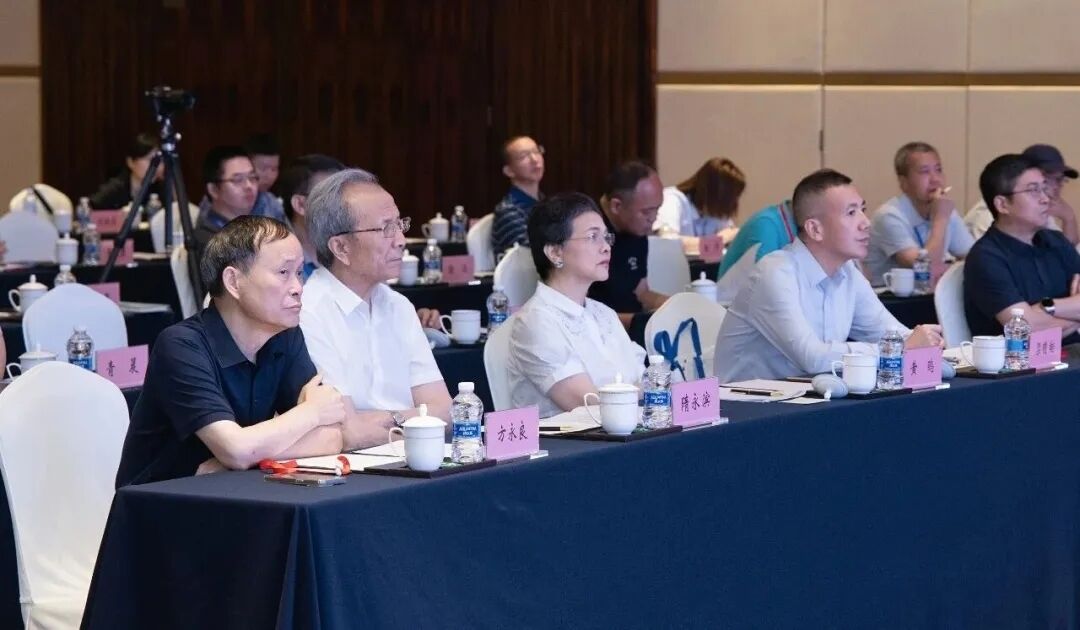
In her address, Huang Li, President of CGMIA, pointed out that actively, safely and orderly developing nuclear power constitutes a key energy strategy for China. Further improving the quality and reliability of nuclear power equipment serves as an essential prerequisite for advancing such development.
Targeting the whole industrial chain, she put forward three proposals for future development. First, focus on the core goal of “reliability improvement�, accurately identify weak links covering design, manufacturing, testing, operation & maintenance and the full life cycle, and formulate implementable technical upgrading plans and implementation roadmaps. Second, break down corporate barriers. Relying on the consortium, establish a shared platform for scientific research and operational data in a coordinated manner, facilitate commercialization of research outcomes, strengthen closed-loop experience feedback, and prevent recurrence of similar failures. Third, benchmark against international cutting-edge practices while grounding efforts in on-site realities. Accelerate the engineering application of innovative achievements, promote the implementation, formulation and revision of standards to meet new requirements of intelligent operation and maintenance, comprehensively enhance the independent support capacity of valves and industrial safety level, and bolster the high-quality development of nuclear power.
In his address, Liang Zhanxiang, Deputy General Manager of CGN Suzhou Nuclear Power Research Institute, noted that the National Engineering Research Center for Nuclear Power Plant Safety and Reliability is a national-level professional platform dedicated to nuclear power reliability research in China. The platform is currently undergoing accelerated upgrading. Open research projects are launched via the platform with open applications available to the entire industrial chain, so as to pool R&D strengths from all parties through open scientific research.
He reviewed the regular communication link established by previous symposiums. As critical equipment for unit fluid systems, nuclear power valves may trigger various in-service faults, which directly raise the risk of unit shutdown and increase operation and maintenance costs. The industry urgently needs to leverage the Consortium for Reliability Improvement Action of Nuclear Power Plant Valves to build collaborative chains for data sharing, unified standards and joint testing.
He warmly invited all participants to speak freely and offer suggestions, work together to optimize the operation mechanism of the consortium, and continuously boost the localization capacity and long-term service stability of nuclear power valves.
In his address, Fang Yongliang, Chairman of Zhejiang Sanfang, stated that his enterprise has engaged in the R&D and manufacturing of nuclear power control valves for more than 40 years and long supported the construction of various domestic nuclear power projects. The company fully recognizes that the reliability of nuclear power valves bears directly on the intrinsic safety of nuclear power units, and domestic manufacturers shoulder the vital mission of improving equipment quality and safeguarding nuclear safety.
Looking ahead to the long-term industrial development, reliability improvement of valves needs to cover every stage of the full life cycle. Going forward, the enterprise will continue to tackle key technologies for digital full-life-cycle management and control of valves to achieve traceable quality throughout all processes. It will proactively cooperate with upstream and downstream partners in the industrial chain to carry out joint technological innovation, and drive the comprehensive quality of domestic nuclear power valves to new heights through technological upgrading on the manufacturing side.
During the conference, 14 expert representatives from the nuclear valve industrial chain and universities shared new technologies, innovative ideas and practical solutions for enhancing valve reliability. The topics covered construction of valve reliability databases, advanced installation and maintenance processes, application of new materials and technologies, online monitoring, intelligent operation and maintenance, as well as case studies on full-process quality control.
Combining on-site unit experience, operators and engineering companies presented engineering achievements including failure feedback of valves for Hualong reactor units, optimization of equipment operation and maintenance, online monitoring and diagnosis, and solutions for vibration-induced failures. Zhejiang Sanfang and Jiangsu Shentong delivered in-depth presentations on manufacturing-side innovative practices such as digital full-life-cycle management and information-based whole-process quality management. Research teams from Zhejiang University, Jilin University and other universities shared cutting-edge research findings including modification of new materials and system engineering design for pumps and valves. From three dimensions — engineering implementation, industrial manufacturing and fundamental scientific research, the conference delivered new technologies and fresh ideas to the whole industry.
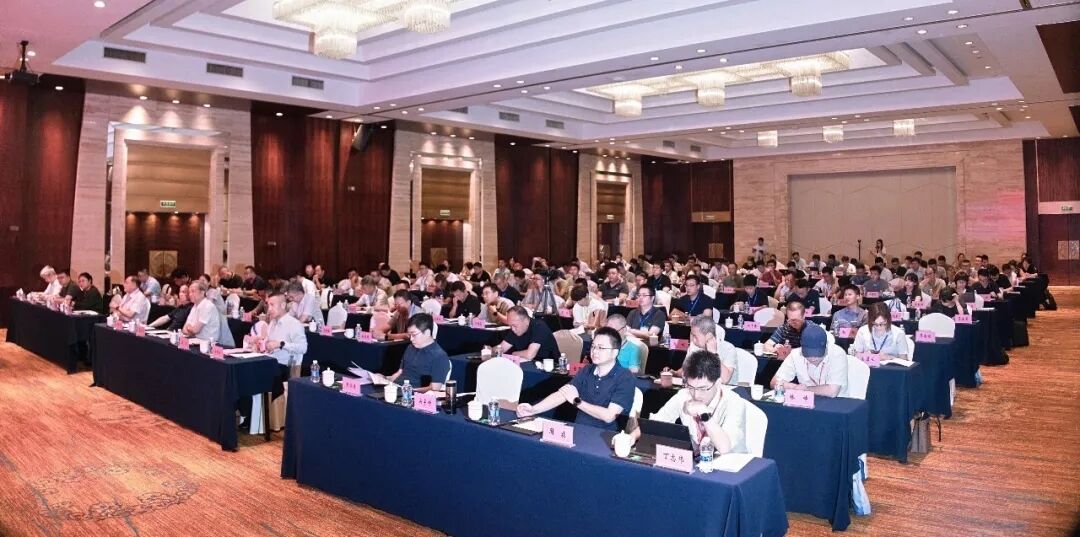
Going forward, CGN Suzhou Nuclear Power Research Institute and CGN Engineering Co., Ltd. will give full play to their respective technical and engineering strengths, and deepen coordination in valve reliability optimization, material safety assurance and full-process quality control. Leveraging the consortium to continuously consolidate resources across the industrial chain, both parties will support the sustained improvement of valve reliability for domestic nuclear power plants.
Copyright and Disclaimer
If any content involves copyright disputes, please contact us for removal. All materials herein are for reference only. Partial contents have been sorted and optimized and shall not constitute any professional advice.